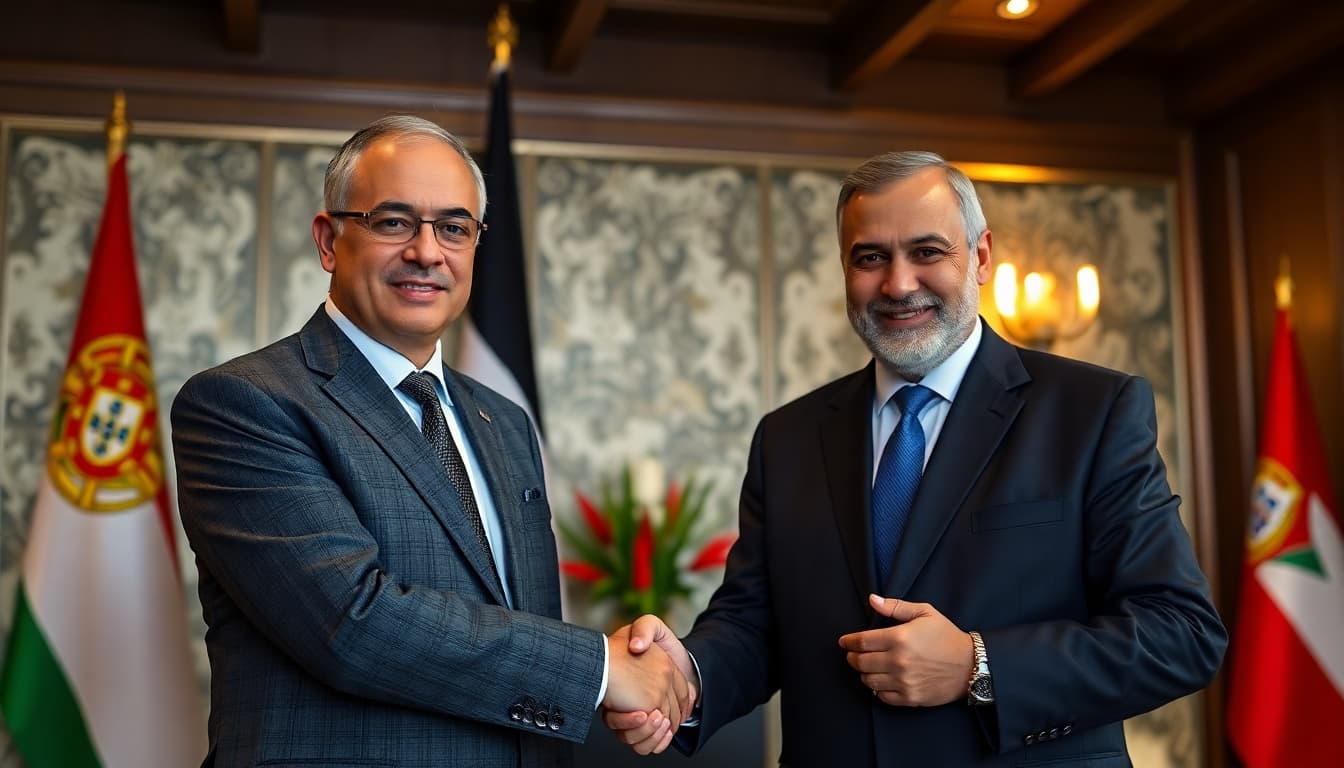
Breaking: US Boycotts G20 Summit in South Africa
{"type": "article", "text": "New York, USA – In a surprise move, the United States has announced its decision to boycott the upcoming G20 summit in South Africa, according to a statement released by President Donald Trump. This decision is set to have significant implications for <a href='https://www.example.com'>US G20 boycott news</a> and <a href='https://www.example.com'>Trump G20 boycott statement</a>.\n\n### Introduction to the G20 Summit\nThe G20, or Group of Twenty, is an international forum that brings together the world's leading economies to discuss global issues. The <a href='https://www.example.com'>South Africa G20 summit</a> was highly anticipated, with expectations that it would address pressing matters such as economic inequality, climate change, and international trade.\n\n### Impact on US Foreign Policy in Africa\nThis boycott is likely to affect <a href='https://www.example.com'>US foreign policy in Africa</a>, as it may be perceived as a sign of disengagement from the continent. The move could also strain relationships between the US and other African nations, potentially creating an opportunity for other global powers to fill the gap.\n\n \n\n### Global Reaction to the Boycott\nThe international community has been quick to react to the news, with many expressing disappointment and concern over the potential consequences of the US boycott. The <a href='https://www.example.com'>G20 summit latest news</a> suggests that other nations may need to reassess their strategies for addressing global challenges without US participation.\n\n### Trump's Statement and Its Implications\nPresident Trump's <a href='https://www.example.com'>Donald Trump international news</a> statement on the boycott has been met with a mix of criticism and support. The decision is seen by some as a reflection of the administration's 'America First' policy, which prioritizes domestic interests over international cooperation. However, others view it as a misguided move that could harm <a href='https://www.example.com'>US boycott of international events</a> and undermine global efforts to address shared problems.\n\n### Context of the Boycott\nTo understand the context of the boycott, it's essential to consider the current state of <a href='https://www.example.com'>global politics news updates</a> and the role of the US in international affairs. The US has been increasingly skeptical of multilateral agreements and institutions, preferring bilateral deals that it believes better serve American interests.\n\n### Potential Consequences for International Relations\nThe US boycott of the G20 summit in South Africa could have far-reaching consequences for <a href='https://www.example.com'>international relations news</a>. It may lead to a shift in the global balance of power, as other nations and blocs, such as China and the European Union, may seek to fill the leadership vacuum created by the US withdrawal.\n\n
 \n\n### Conclusion\nIn conclusion, the US decision to boycott the G20 summit in South Africa is a significant development in <a href='https://www.example.com'>world news headlines today</a>. As the international community continues to grapple with the implications of this move, one thing is clear: the future of global cooperation and the role of the US in international affairs are at a critical juncture. The <a href='https://www.example.com'>US G20 boycott news</a> will undoubtedly be closely watched in the coming weeks and months.}"}

Written by Emily J. Miller
Emily J. Miller is a seasoned international journalist with a decade of experience covering global politics and economic news.